Prep first, color second
Epoxy Flooring in Salt Lake City, UT
Garage and shop floors coated after real prep: grinding, moisture testing and crack repair. Get a free quote.
Salt Lake City, Holladay, Murray, Sandy, South Jordan, Herriman, Lehi, Orem and 28 more
Tell us about your floor
Add the garage or shop size, the slab's age if you know it, and any cracks, stains or old coatings. Expect a callback about the floor and a time to see it.
- Free floor quotes
- Diamond-ground prep
- Moisture tested
- Solid or flake systems
Car count or rough square footage is plenty.
Good to know
Four things a lasting floor depends on
Tape a plastic square to the slab
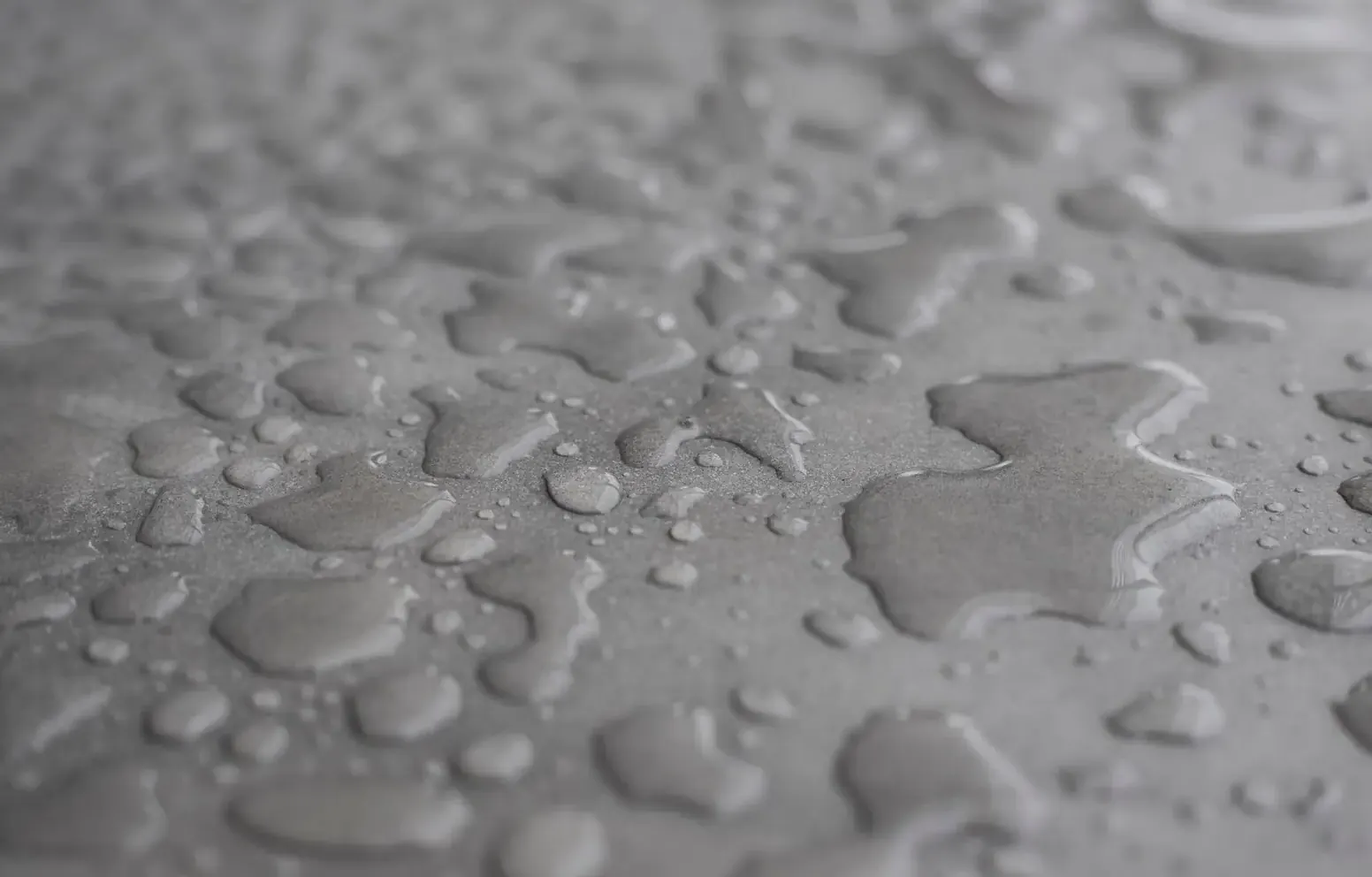
For a quick moisture hint, tape a square of clear plastic to the bare floor and leave it for a day. Droplets or a dark patch underneath mean vapor is moving through the slab, and the coating plan has to account for it.
Grinding beats etching
Acid etch kits react with the top of the slab but rarely remove old sealers, oil or the weak surface skin. A diamond grinder physically takes them off and leaves an even profile, which does more than anything else to keep a coating attached.
Watch the thermometer, not the calendar
Most epoxies want the slab and the air at roughly 50 degrees or warmer, with the slab comfortably above the dew point. In a Utah winter a heated garage can be coated, while an unheated one in January usually has to wait.
Mind the winter brine
The salty slush that drips off cars leaves a white film that can dull a topcoat if it sits for weeks. Squeegee it toward the door or rinse the floor now and then, and a coated floor cleans up far more easily than bare concrete.
Why garage coatings peel, and what prevents it
When an epoxy floor fails, it almost never fails because of the color or the chemistry on the label. It fails at the bond line, the thin boundary where coating meets concrete. Garage slabs come with a weak, chalky top skin called laitance, plus oil, tire marks, old sealers and, in Utah, a crust of dried road brine. Coating over that is like taping a poster to a dusty wall: it holds until it doesn't. Hot tires finish the job, softening a thin film and lifting it as you back out on a July afternoon.
So the work starts with a diamond grinder, not a bucket of acid. Grinding cuts through the laitance and leaves an open, sandpaper-like profile that the primer soaks into, while acid etching only reacts with the surface and leaves residue behind if the rinse falls short. Before any of that, the slab gets a moisture check, because plenty of older garages in the valley were poured without a vapor barrier, and vapor pushing up from damp clay can lift a coating from below. Cracks and spalls are opened up and filled so they don't telegraph through.
Then comes the part people enjoy picking out. A solid-color system is sleek, bright and easy to mop, though it shows dust and tire tracks sooner. A flake system broadcasts colored vinyl chips into the base coat for texture and grip, and it hides the grit that rolls in on tires. Both get a clear topcoat, and because garage doors open onto strong high-altitude sun, that topcoat should be UV-stable so the floor doesn't amber. SLC Epoxy Flooring also pours new garage slabs and resurfaces or seals concrete when a floor isn't ready to coat yet.
Coatings and concrete
Coatings, and the concrete work behind them
Three coating services and three concrete services, because some floors need fixing before they can be coated.
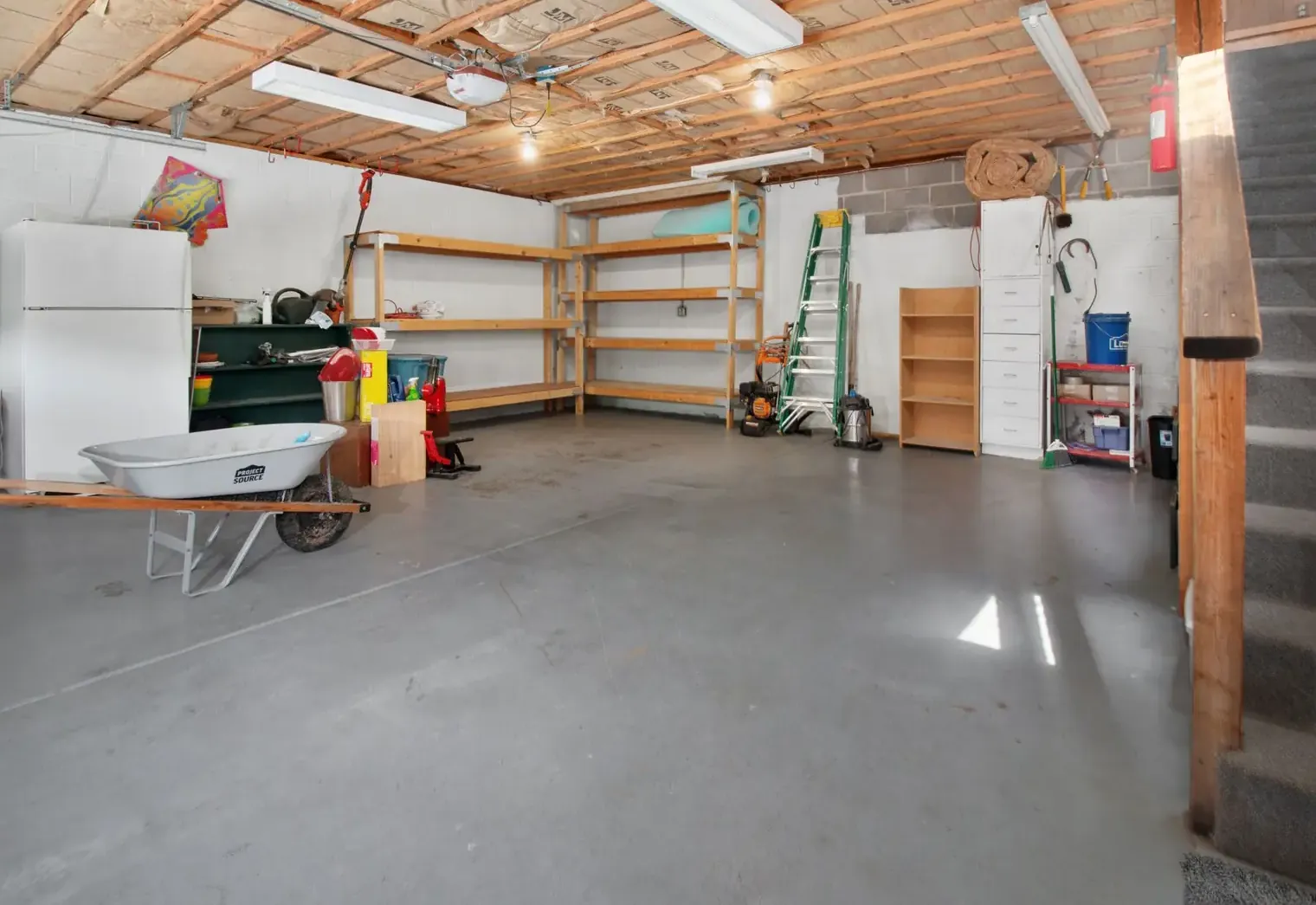
Epoxy Garage Floors
Solid-color garage coatings over a diamond-ground, crack-repaired slab, finished with a UV-stable clear topcoat.
More on epoxy garage floors
Flake Epoxy Floors
Colored flake broadcast into the base coat for texture, grip and a floor that hides the grit tires bring in.
More on flake epoxy floors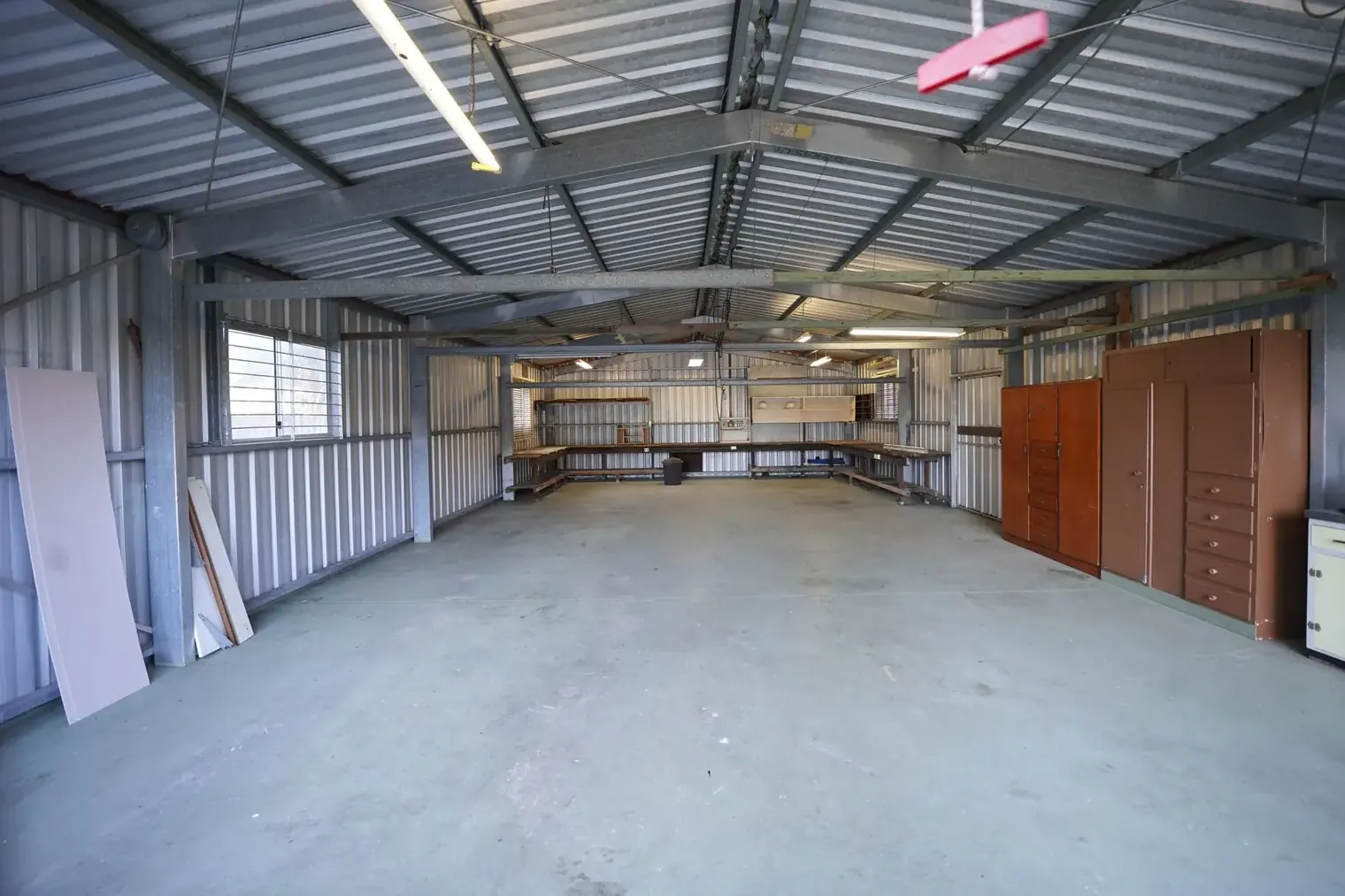
Shop & Workshop Floors
Heavier-build coatings for workshops and work bays that see jack stands, rolling toolboxes, solvents and spills.
More on shop & workshop floors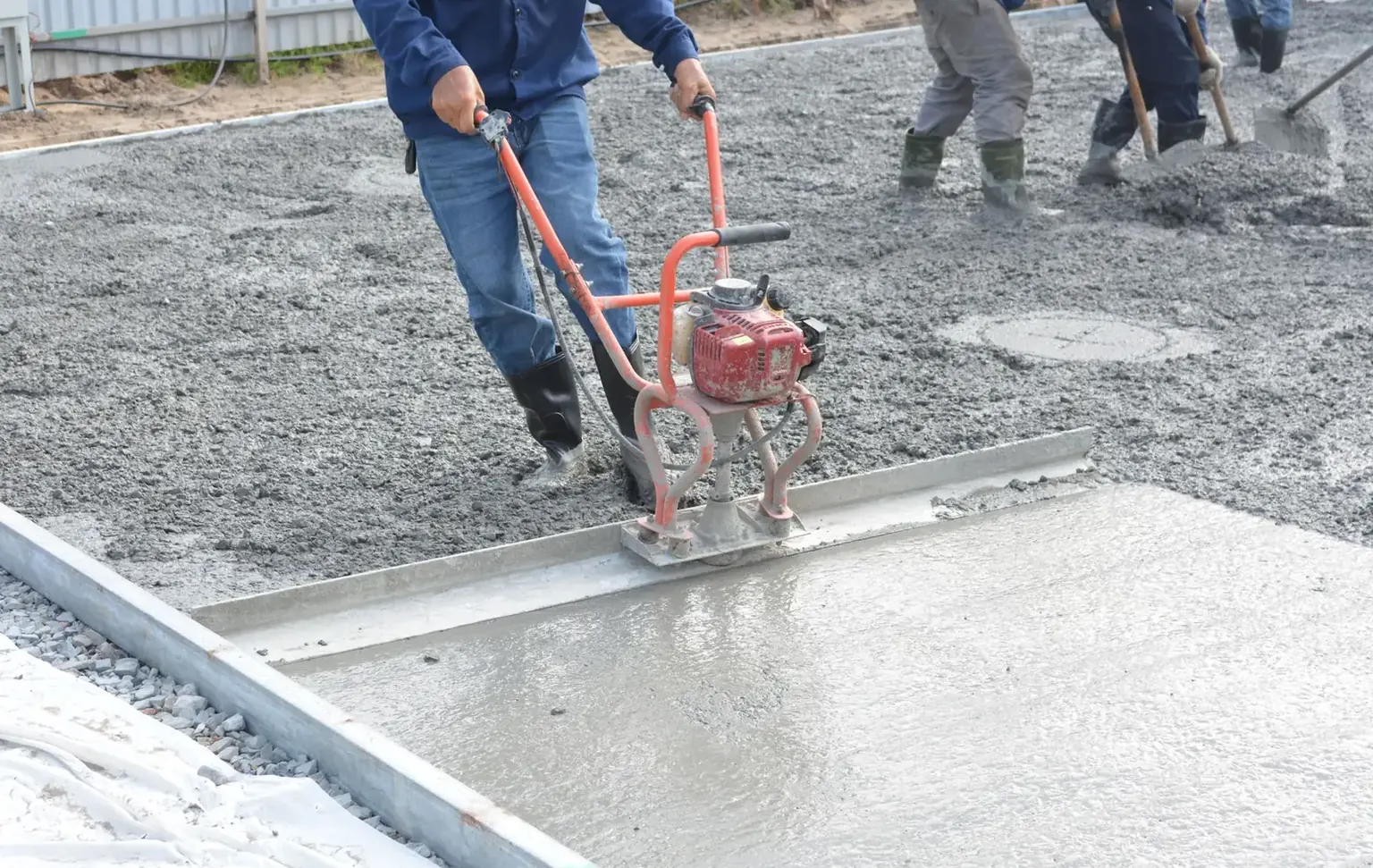
New Garage Floor Slabs
Garage slabs torn out and repoured on a compacted base, with a vapor barrier and joints planned for coating later.
More on new garage floor slabs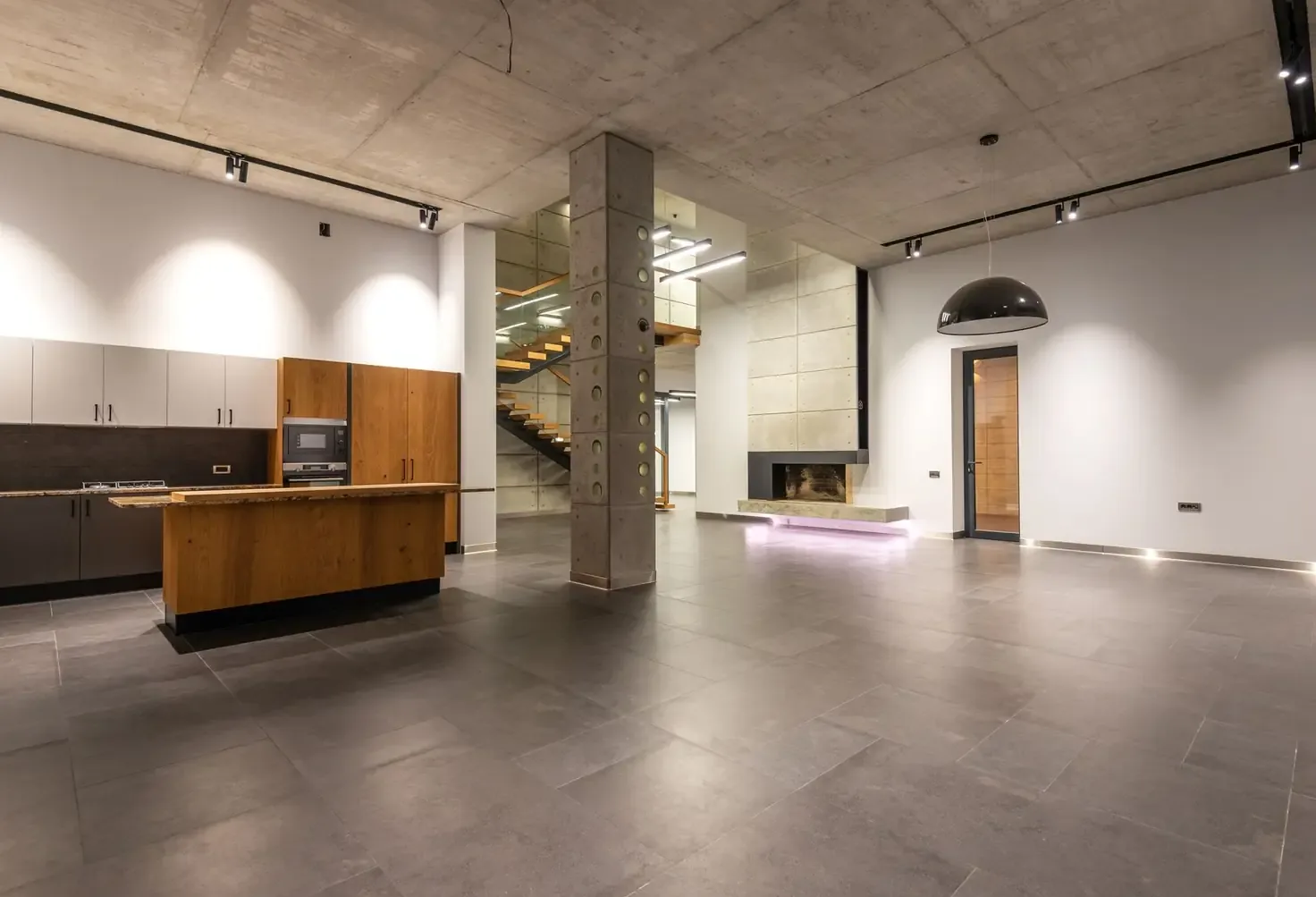
Concrete Resurfacing
Overlays that give scaled and pitted concrete a new wearing surface, inside the garage or out on the walk.
More on concrete resurfacing
Concrete Sealing
Penetrating sealers for driveway aprons and walks, topical sealers for garages and patios, matched to each slab's use.
More on concrete sealing
How it works
Four steps, and most of them are prep
- 1
Moisture and condition check
We look at cracks, spalls, old sealers and oil, and test how much moisture is coming up through the slab.
- 2
Grind and repair
The floor is diamond-ground wall to wall and vacuumed, then cracks, pits and spalls are filled and ground flush.
- 3
Base, color and flake
A primer or base coat goes down, followed by the solid color or the flake broadcast you picked.
- 4
Topcoat and cure
A clear, UV-stable topcoat seals everything in, and you get separate timing for walking on it and for parking on it.
Questions
Epoxy questions, answered from the prep side
Will an epoxy garage floor hold up to Utah winters and road salt?
Better than bare concrete, provided the coating has a solid grip on the slab. Brine and snowmelt that soak into uncoated concrete freeze and flake the surface, while a coated floor keeps them on top where they can be squeegeed out. The cold matters more during installation than afterward, since coatings need a warm enough slab to cure.
Does an epoxy floor involve permits, an HOA or 811?
Coating an existing garage floor generally doesn't involve a building permit, and since the work is inside the garage, HOA rules seldom come into it. Pouring a new garage slab is a different matter: it can involve a permit, and if any digging happens outside, 811 gets called first so utility lines are flagged.
What does an epoxy garage floor cost?
Square footage, the slab's condition and the system you pick set the price. Prep is the variable people underestimate: a clean, sound slab grinds quickly, while one with old sealer, oil soak, wide cracks or spalling takes more grinding and repair. Flake coverage and topcoat thickness matter too, and the quote is free once we've seen the floor.
Which towns do you serve?
Salt Lake City plus 35 surrounding communities, including West Valley City, Taylorsville, Murray, Holladay, Cottonwood Heights, West Jordan, South Jordan, Riverton, Herriman and Bluffdale. To the south we reach Lehi, Saratoga Springs, Eagle Mountain, Pleasant Grove, Orem and Provo, and to the west Tooele, Erda and Lake Point.
How long does an epoxy floor take, and when can I park on it?
A typical two-car garage takes one to a few days of work depending on repairs and the system, and grinding plus crack repair fills much of the first day. Foot traffic usually returns within about a day. Cars wait longer, often several days, depending on the coating and how warm the garage stays.
Why do DIY epoxy kits peel?
Mostly prep and thickness. Kits rely on acid etching, which leaves old sealers and the weak top layer in place, and they go on thin, so a hot tire can soften the film and pull it loose. A professionally installed system is ground first and built thicker, with a topcoat made for traffic.
Solid color or flake: which should I pick?
Solid color looks clean and modern and makes a dropped bolt easy to spot, but it shows dust, footprints and tire marks. Flake hides dirt and adds grip, which helps when snowmelt drips off the car. Busy family garages often lean flake for that reason, while some workshops prefer solid.
Examples
Ground, coated and flaked garage floors
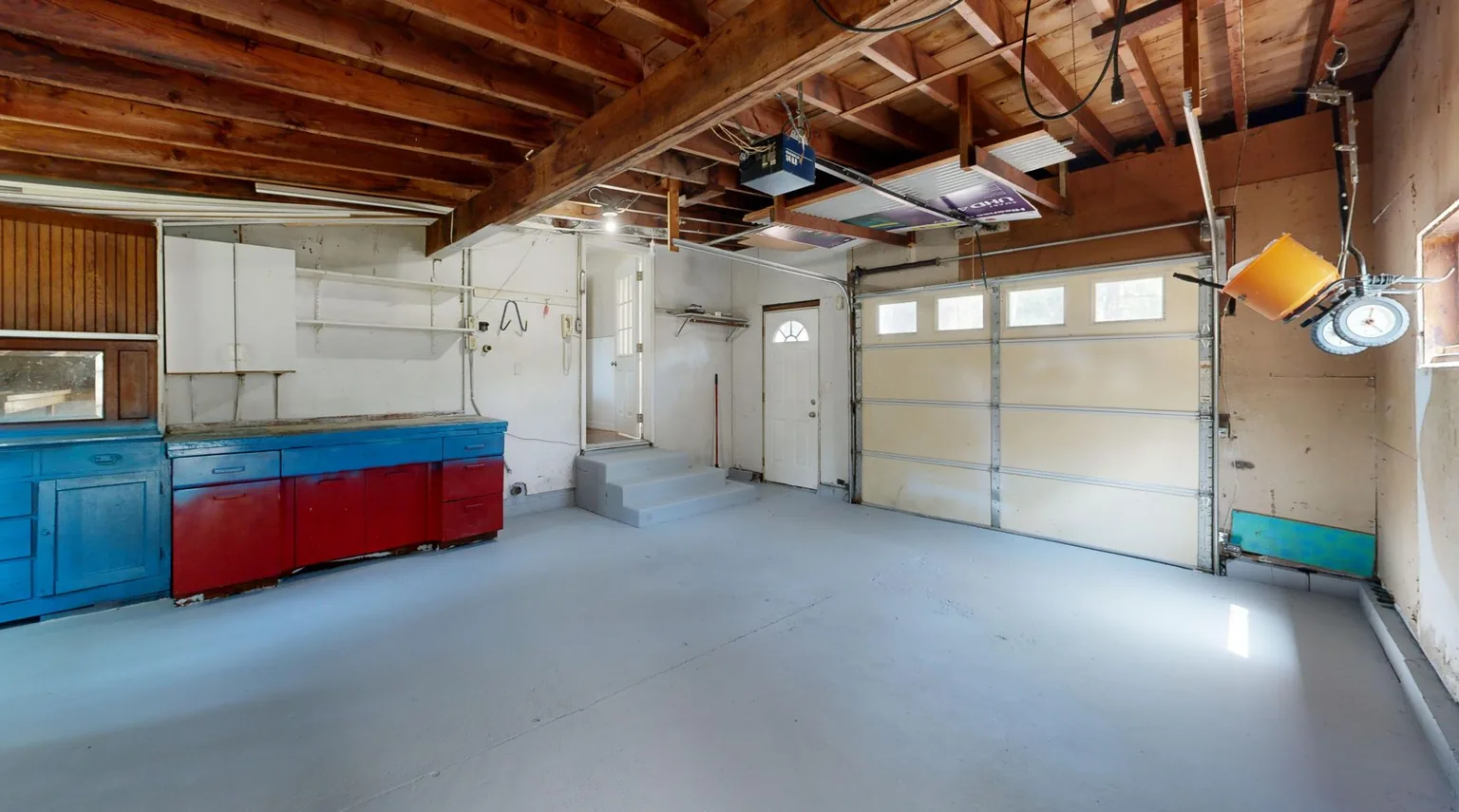
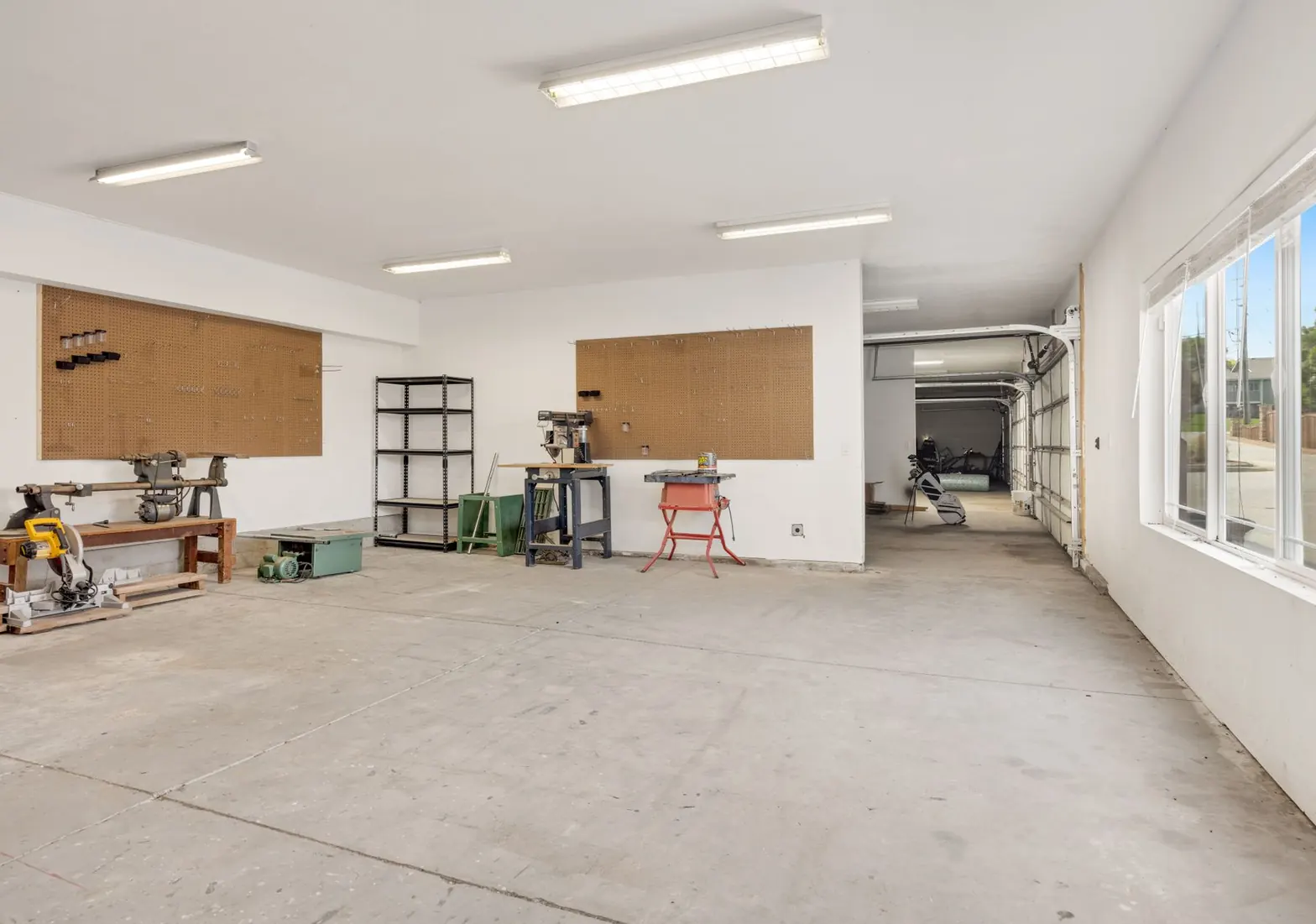
Stock photos: examples of the work type.
Service area
Epoxy floors from Salt Lake City to Provo and Tooele
Floor quotes reach 36 communities in all, from Salt Lake City, South Salt Lake and Holladay down through Lehi to Orem and Provo, plus Tooele and Stansbury Park over the Oquirrhs.
Salt Lake County
Tooele County
Curious what your slab needs before it's coated?
Send the garage size and what's on the floor now, and a free quote follows with the prep explained.